
Why Proper Care Is Important for Casablanca Clothing
Casablanca clothing is built with premium fabrics, elaborate prints and exacting build that support its premium price points. In 2026, with the cost of a individual silk shirt ranging from 700 to 1 200 dollars and knitwear from 450 to 900 dollars, caring for these garments with the same attention as basic basics is a direct path to wasted money. Correct maintenance safeguards the intensity of prints, the smooth feel of fabrics and the shape of garments, confirming that each piece delivers worth over several seasons rather than just a couple of months. Beyond protecting your financial investment, considered care is an ecological commitment: garments that survive longer produce less waste and lower the pressure for substitute purchases. This article provides comprehensive, practical advice for looking after every key fabric type in the Casablanca range—silk, cotton, knitwear, fleece and combination materials—along with keeping, spot management and fix strategies that will lengthen the life of your wardrobe considerably.
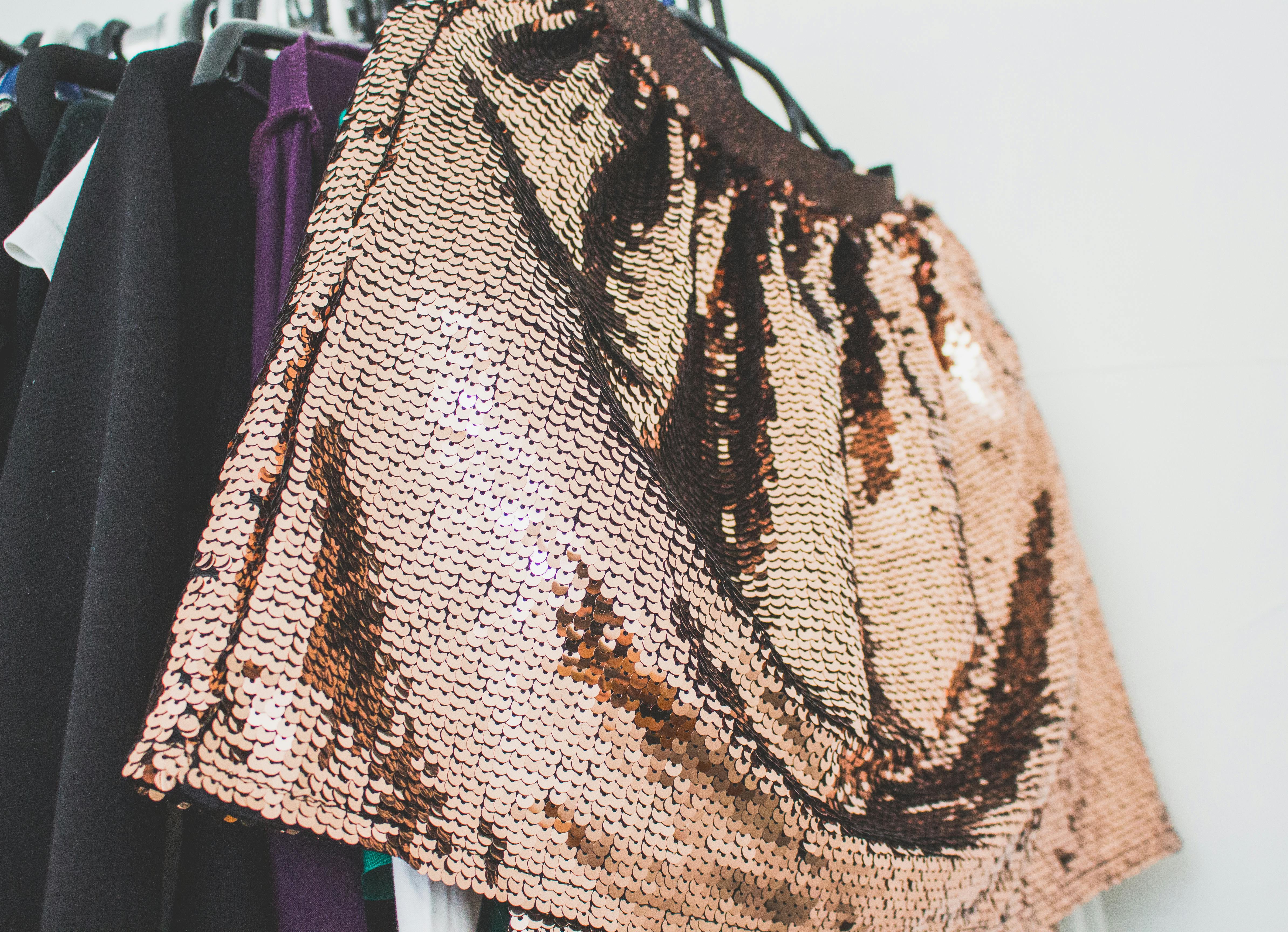
Looking After Silk Shirts, Dresses and Scarves
Silk is the most sensitive fabric in the Casablanca offer and calls for the closest handling. Without exception review the care label first, as some silk pieces are designated specialist wash only while others allow delicate hand-washing. For hand-washing, fill a basin with cold water no warmer than 30 degrees Celsius and add a modest amount of mild detergent explicitly made for silk or delicate fabrics. Place the garment, gently move for one to two minutes without twisting or pulling, then drain and flush https://brandcasablanca.org with clean cold water until all detergent is removed. To dry, place the piece flat on a absorbent towel, wind the towel to absorb out surplus water and then shift the garment to a clotheshorse in a open area away from strong sunlight and heaters. Never squeeze silk, as the material can deform for good, and never drape waterlogged silk, as the weight of the water can distort the fabric beyond its form. For eliminating wrinkles, use a handheld steamer kept at a small gap from the fabric rather than pushing directly with an iron, which can leave stains or burn marks on silk. If specialist cleaning is simpler, select a trusted cleaner skilled in silk and request that no aggressive pressing should be used.
Maintaining Cotton T-shirts, Hoodies and Sweatpants
Cotton pieces—such as T-shirts, hoodies, sweatpants and cotton shirts—are the easiest to care for items in the Casablanca collection but still deserve thoughtful handling. Turn all cotton garments inside-out before washing to safeguard outer prints, embroidery and the front of the fabric from contact with other items in the machine. Use a mild or delicate cycle at 30 degrees Celsius with a mild wash detergent; avoid dry detergents that can leave traces in fleece material. Do not overload the washing machine—garments need freedom to circulate and rinse fully. Leave out fabric softeners, which clog cotton fibres and slowly weaken the inherent smooth feel and moisture absorption of fleece and terry cloth. For drying, drying naturally is invariably the smartest option: place substantial items like hoodies flat or suspend them on padded hangers to stop shoulder stretching, and confirm adequate airflow to eliminate musty smells. If you absolutely must use a tumble dryer, choose the minimum heat setting and pull items while still marginally damp to stop too much heat, which triggers size loss and weakens elastic in ankle bands and waistbands. Routine care using these methods will keep your cotton Casablanca pieces appearing new and physically solid for years.
Casablanca Fabric Care Handy Guide
| Fabric | Wash Method | Temperature | Drying | Important Notes |
|---|---|---|---|---|
| Silk | Hand-wash / professional clean | Max 30 °C | Flat dry, no sun | No wringing, steamer only |
| Cotton (heavyweight) | Machine gentle cycle | 30 °C | Air-dry flat or hang | Inside out, no softener |
| Cotton (light) | Machine delicate cycle | 30 °C | Hang or gentle tumble | Take out promptly |
| Knitwear (wool) | Hand-wash / delicate | Max 30 °C | Flat on rack | Reform while damp |
| Knitwear (cotton) | Machine in laundry bag | 30 °C | Flat on rack | Use fabric shaver |
| Terry cloth | Machine delicate cycle | 30–40 °C | Air-dry or low tumble | No softener |
Washing Knitwear
Casablanca knitwear—ranging from lightweight cotton sweaters to merino crewnecks and cashmere-blend cardigans—needs a equilibrium between cleanliness and restrained handling, because over-frequent washing accelerates fibre breakdown and bobbling. The smartest practice is to refresh knitwear between wears, draping it in a well-ventilated space for a few hours to dispel dampness and scents before storing. When washing is required, wash by hand in lukewarm water with a delicate detergent or use a machine’s gentle cycle inside a fine laundry bag. After washing, lightly push out water without twisting, rest the garment flat on a dry towel and reshape it to its proper shape while wet. Drying flat prevents the sagging that occurs when wet wet knits are placed on hangers. Fuzzing is a common occurrence with fine knitwear; using a lint remover or a cashmere comb periodically eliminates pills and brings back a polished surface. Place knitwear neatly folded on shelves rather than on hangers, as hanging can stretch shoulders and sag the body over time. Cedar balls or lavender sachets in wardrobe drawers can work to deter moths, which are fond of organic fibres like wool and cashmere.
Organisation Tips
How you arrange Casablanca clothing between wears and between periods has a major influence on its durability. Shirts, blazers and outerwear should be placed on wide or wide wooden hangers that hold the shoulders without leaving marks. Avoid wire hangers, which can leave indentations and distort shape. Substantial knitwear and sweatpants should be neatly placed and put on shelves or in drawers, with denser items on the bottom to avoid squashing of finer pieces above. For off-season storage—such as putting away winter items during summer—use natural textile protectors rather than plastic covers, which lock in condensation and can produce colour change or damp damage. Keep garments in a climate-controlled, dry space with consistent temperature; do not use attics, basements and garages where warmth and moisture fluctuate. Sunlight is one of the most damaging threats of colour: even diffused light over sustained periods can fade vivid prints and dyes, so keep stored clothing away from windows. Periodically check stored items for indications of moth damage or mould, and address any problems immediately. These organisation habits are especially critical for illustrated silk pieces, whose rich colours are the most vulnerable to atmospheric fading.
Blemish Treatment and Repairs
Blemishes are an natural part of wearing clothes in the everyday world, and prompt action is the most reliable approach. For liquid spills on any Casablanca fabric, blot right away with a clean, dry cloth or paper towel—never wipe, as this forces the stain into the fibres and can enlarge it. For water-soluble stains like wine, coffee or food, pat carefully with a cloth wetted in lukewarm water and a tiny amount of soft soap, starting at the border of the stain inward to prevent spreading. For fat-based stains, sprinkle a thin amount of absorbent powder or talcum powder on the mark, leave it soak for 15 minutes, then remove away carefully and treat with a mild detergent. Every time apply any cleaning product on an hidden area of the garment first to check for colour change or textile damage. For persistent or serious stains on silk, send the garment to a professional cleaner without delay rather than experimenting with household solutions that may produce permanent damage. Basic repairs—loose buttons, minor seam gaps, pulled threads—can be managed at home with elementary sewing skills or sent to a tailor. Fixing these issues promptly avoids them from worsening during later wears and washes. With mindful stain management and early repairs, Casablanca clothing can stay in superb state through several years of wear. For the brand’s own care recommendations, review the product pages on casablancaparis.com and additional fabric care guides on The Spruce.


