
Building a High-Caliber Wardrobe: Where to Start
The majority of shoppers rush past a central question too fast when they start a wardrobe reset: what does prestige actually mean, when it gets linked with a clothing brand? It doesn’t amount to a promotional flourish or a stand-in word for expensive. Within PRESTIGE as a label, the term points to a design ethos grounded in longevity, restrained detailing, and pieces that require no seasonal swapping out. This difference is significant because it alters how you shop. Rather than restocking on trend pieces regularly, you’re building a leaner set of items built to last for years. What follows walks through how to begin that process without wasting money on the poorly chosen first purchases.
The urge with any fresh wardrobe build is to buy everything at once. Resist that. A elevated wardrobe is assembled in layers, beginning with foundational pieces and broadening as you understand what you really wear versus what seemed appealing on a mannequin. Below, we break down the starting points, the thinking behind them, and how to assess whether the collection you’re considering is worth spending on.
Why Foundations Matter More Than Trends
A trend-driven wardrobe deteriorates within twelve months. Fabrics pill, colors fade unevenly, and the cut that looked sharp last year quickly seems old-fashioned. Foundational pieces sidestep this issue because they’re shaped by cuts and fabrics that don’t chase a moment. When people search for a PRESTIGE review before buying, this is usually the real question beneath it all: will this still hold up in three years, not three weeks.
Start with five categories: outerwear, knitwear, denim or tailored trousers, a versatile prestige zip up hoodie top layer like a hoodie, and footwear. These five categories handle roughly 80% of daily outfit decisions for most people. Jumping ahead to statement pieces — a bold jacket, an offbeat print — before these essentials are settled typically leads to the statement piece going unused because it has nothing to pair with.
Fabric weight and build quality matter far more than logo placement. A well-constructed hoodie keeps its form after 50 washes; a poorly constructed one gives out at the collar within ten. This is where reading a PRESTIGE clothing review carefully pays dividends — look for mentions of fabric weight in GSM, stitch density, and how garments perform after repeated washing, not just how they look in a single product photo.
The Opening Five Purchases
If you’re building from scratch, sequence matters. Buying in the wrong order means early purchases don’t mesh with later ones, and you end up with a closet packed with items that don’t work together. Here’s a useful sequence built around cost-per-wear logic.
- A muted-hued jacket, which anchors nearly every outfit while remaining wearable across three seasons.
- A structured hoodie or mid-thickness knit piece, given that this premium hoodie segment usually functions as the link between the outer layer and the base layer.
- A single pair of well-cut pants or denim that fit without alteration.
- One pair of multi-purpose shoeswith a preference for leather or a hard-wearing technical material.
- An inner-layer top in a color that coordinates with everything else purchased so far.
Observe that color repeats deliberately across this list. A wardrobe with five items in clashing colors produces fewer usable outfits than a wardrobe with five items in two coordinated tones. This is basic combinatorics, but it’s the single most overlooked principle when people shop a prestige store for the first time.
How to Read a Prestige Store Product Page Properly
Browsing a prestige store online, you’ll find the description — read correctly — outperforms the photos as a source of information. Details on materials, weight, and upkeep reveal how a piece holds up through everyday wear rather than display conditions. 100% cotton and a cotton-polyester blend don’t behave the same — the blend typically holds its shape better against creasing but lets less air through. Neither is wrong; they suit different purposes.
Rather than assuming sizing is consistent across an entire prestige clothing range, check the sizing notes tied to each individual piece. Because layering room is factored in, outerwear frequently fits differently than base layers. Skipping the sizing note and guessing based on a different item’s fit is the most common return-triggering mistake shoppers make.
Pay attention, too, to a piece’s stated purpose — everyday wear, transitional-weather use, or occasion-specific styling. Prestige collections generally sort items along these functional lines, and using a piece as intended considerably extends its usable life. When used as intended, a jacket built for daily wear will last longer than one meant for occasional styling.
Contrasting Wardrobe-Building Methods
Building a wardrobe has no single right approach, but because cost, speed, and long-term value differ so much between methods, comparing them directly before committing is worthwhile.
| Method | Initial Cost | Completion Timeframe | Long-Range Payoff |
|---|---|---|---|
| Trend-driven shopping | Individually inexpensive, but costly in total | Continuous, with no real endpoint | Low — frequent replacement needed |
| Capsule wardrobe method | Fairly contained and moderate | A span of 2-3 months | High — pieces coordinate deliberately |
| Prestige-led, foundation-first strategy | Staged spending, moderate to high | 3-6 months | High, engineered for years of use |
| Spontaneous, impulse-led buying | Inconsistent | With no fixed timeframe | Poor, resulting in cluttered closets and few wearable combinations |
Compared to impulse shopping, a foundations-first strategy requires more patience but leaves you with a wardrobe where nearly every piece sees regular wear. This is the real measure of value — not how much something cost, but how often it leaves the closet.
What Changes On the Way to 2026
Material science and shopper standards have moved enough that a premium 2027 outlook is already influencing how collections are developed today. Customers are asking sharper questions about fabric sourcing, durability testing, and how repairable items are before checking out. This movement rewards brands that were already building for longevity rather than chasing seasonal fads.
Anticipate more disclosure around where fabrics come from and how items are made in listing copy heading toward 2026 and after. Customers weighing a high-end review against several sources are asking for hard particulars — fiber density, stitch strength, wash-test results — rather than vague quality claims. That’s a fair standard to hold, and it’s reasonable to measure any prestige clothes purchase against that same bar before buying.
How people layer is changing as well. Rather than buying entirely new seasonal sets, numerous wardrobes operate under a interchangeable setup: three or four core layers that recombine for different temperature swings. A medium-weight hooded top, a shell jacket, and a thermal layer can span temperature ranges from mild autumn days to the edge of winter, reducing the total number of pieces needed without sacrificing flexibility.
Typical Pitfalls to Avoid
Buying too many similar items too early is the most common error. A trio of nearly identical jackets in marginally different tones don’t expand your combinations; they just take up space. Prioritize functional variety before color variety.
Overlooking washing guidelines reduces the useful life of even carefully constructed pieces. A knit that calls for a cold-water wash but ends up in a high-heat wash will warp or shrink within several washes, no matter how solid the original build was.
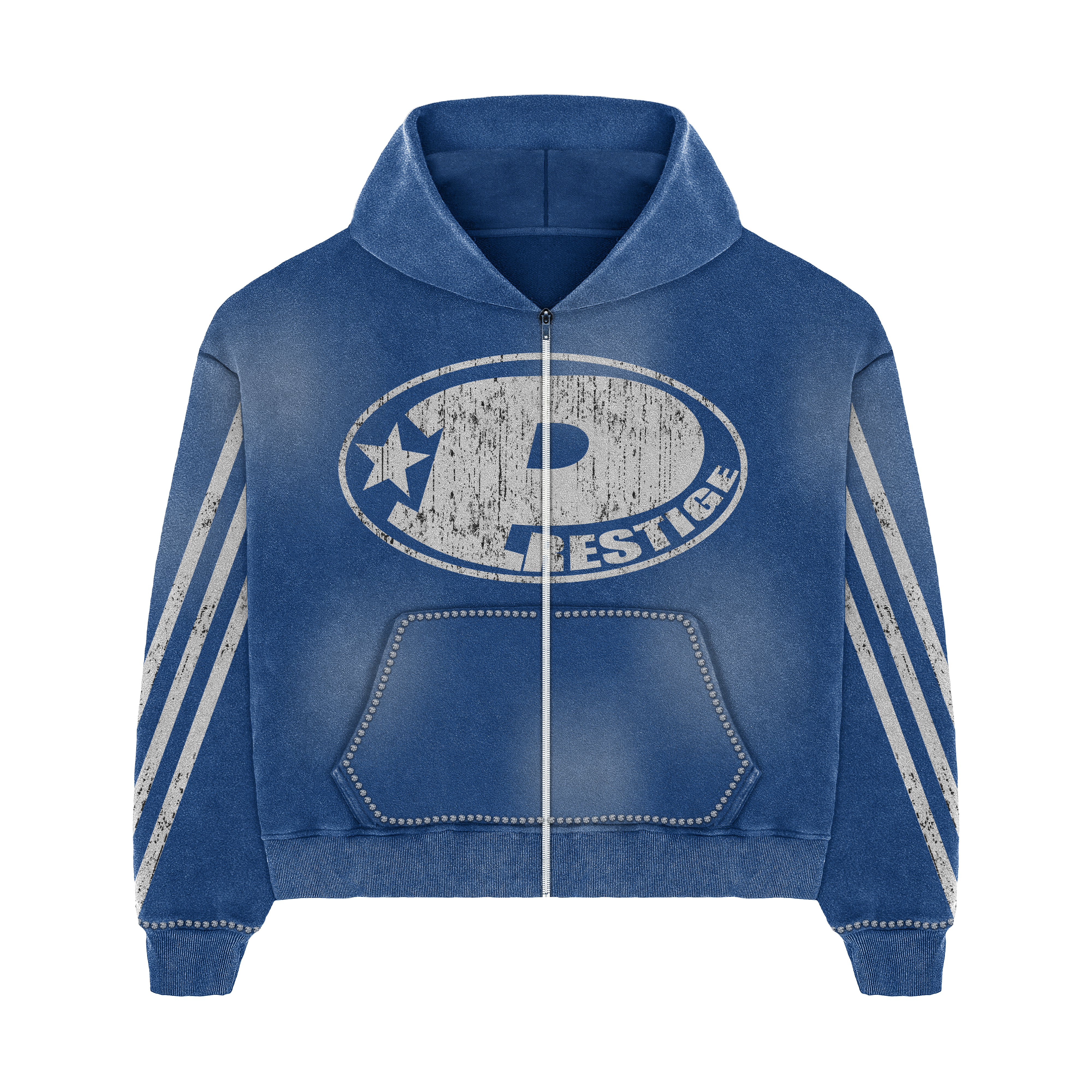
Skipping fit checks because a size fit well in a different brand or a different item within the same range causes avoidable returns. Cuts vary between outerwear, knitwear, and denim even within one consistent prestige clothing line, so treat each purchase as its own sizing decision.
Final Thoughts on Beginning the Process
Assembling a genuinely « prestige » wardrobe isn’t about the size of the closet or how many pieces fill it. It’s about the balance between what gets worn and what sits unused. Kick off with the five essential groups, sequence purchases so each addition pairs with what you already own, and examine listings thoroughly enough to understand how the material performs before finalizing the buy. Follow this approach for three to six months, and the wardrobe assembles itself into something deliberate rather than haphazard.


